MVP Development for Startups – Complete Process, Cost & Timeline (2026)
Last Updated on
Starting a business is thrilling, but it often involves a lot of hard work too. Many founders dream of building the perfect product from day one. The truth? That usually doesn’t work. It’s expensive, slow, and often unnecessary. This is where building an MVP or Minimum Viable Product comes in. It lets you test the core idea before spending too much time or money.
An MVP isn’t about doing the bare minimum. It’s about focusing on what matters. Give users real value, see how they react, and learn. Almost 9 out of 10 startups fail, and most of the time, it’s because no one really needed their product. An MVP helps you avoid that mistake.
Why Startups Should Build an MVP?
A good MVP:
- Solves a single, clear problem
- Offers value to real users
- Can be tested in the real world
Think of it like a small cupcake instead of a full wedding cake. It’s complete, enjoyable, and shows if people like your idea. Anything less, and it’s just a test, not a product.
Jumping straight to a full product is risky. Research shows untested projects often go 45% over budget and deliver about half the expected value. That’s brutal for a new startup. Building an MVP helps you:
- Check if people want your product
- Spend money on features that matter
- Connect with early users who will give feedback
- Show traction to investors
Apps that engage users early tend to retain 40% more users after a month. So, testing early really matters. Some of the top AI trends transforming MVP development are personalization and smart feature prioritization. This clearly highlights the significance of deploying MVPs with high UX.
5 Main Types of MVPs
Not every MVP needs code. Some approaches facilitate fast-paced MVP development for startups.
- Concierge MVP: You deliver the product manually to early users. This hands-on approach helps you learn how people interact with your idea before building automated systems.
- Wizard of Oz MVP: The product looks automated, but humans handle tasks behind the scenes. It lets you test demand and workflows without heavy development upfront.
- Landing Page MVP: Test your concept with a simple web page. Track sign-ups or waitlists to validate interest before building features.
- Single-Feature MVP: Focus on one key function that solves the main user problem. Gather feedback and learn what truly matters to users.
- Piecemeal MVP: Combine existing tools to create a functional product quickly. It’s cost-effective, fast to deploy, and lets you validate your idea in real situations.
10 Simple Steps to Build an MVP for your Startup
1. Define the Problem and User
Start by focusing on a single, real problem for a specific audience. You should avoid trying to solve multiple problems at once. Rather, focus on creating a clear user persona. For example, you can write down the exact pain point you’re addressing.
2. Do Your Research
You must spend time talking to potential users. The focus should be on exploring competitors and analyzing market trends. Understanding the landscape helps you identify gaps. It also helps to validate demand and is essential for projects like MVP development for apps.
3. Map the User Journey
Visualize how someone interacts with your product from start to finish. Try to keep steps simple and logical. Each action should lead the user closer to the core value. Simplicity reduces confusion and helps users enjoy the benefit clearly.
4. Prioritize Features
Decide which features are essential. Focus on must-haves that solve the core problem. Leave optional features for future iterations. Avoid the temptation to add “just one more.” Keep the scope tight to speed up development. It also helps to gain early feedback from your target audience.
5. Pick Your Tech Stack
Choose tools and frameworks that allow you to build efficiently. No-code platforms work for simple MVPs, but custom code is better for MVP mobile apps. The right stack balances speed with flexibility. Businesses choose Flutter for MVP development because it enables rapid cross-platform deployment and simplifies maintenance with a single codebase.
6. Design and Prototype
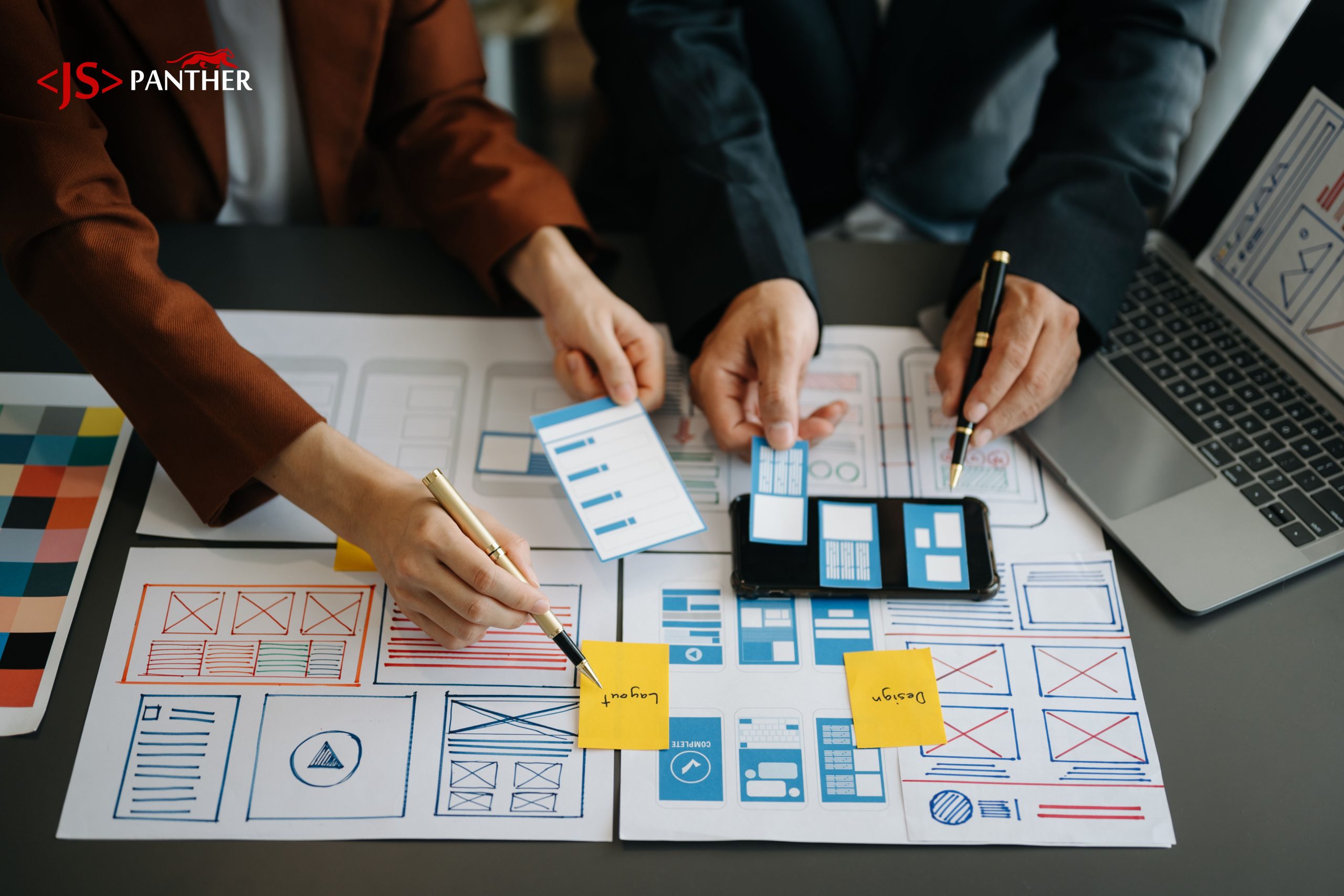
Start with wireframes to map layout and flow. Next move to high-fidelity mockups. Finally, create an interactive prototype to test interactions. So, making changes visually is faster and cheaper. Prototyping lets you identify issues early. So, you can confirm the product feels intuitive.
7. Build in Short Cycles
Develop the MVP in small sprints. It should have frequent reviews and tests. Iterative development helps catch problems early. Agile practices aren’t just buzzwords. They allow teams to adjust quickly and incorporate feedback. So, the product improves steadily.
8. Soft Launch (Beta)
Release the MVP to a limited audience first. This group acts as your early testers. They help you identify bugs or missing elements. Focus on collecting detailed feedback for making improvements. A controlled beta ensures the broader launch goes smoothly. This also helps to avoid reputational risks.
9. Measure and Learn
Track key metrics like sign-ups, retention, and drop-off rates. Look for patterns and insights that indicate whether the MVP is delivering value. Use this information to make informed decisions about improvements, pivots, or scaling.
10. Pivot, Persevere, or Scale
Based on data, decide your next steps. Pivot if the problem exists, but the solution needs changes. Persevere if things are working but need refinement. Scale when metrics show consistent user engagement and value. Your decisions should be guided by real evidence, not gut feeling alone.
MVP Development Cost Considerations
The cost of developing an MVP differs widely. It depends on how complex your product is. For simple MVPs built on no-code platforms, the investment is relatively modest, and the timeline is just a few weeks. These are useful when you want to test a basic concept.
Medium-level custom MVPs require more work. They involve tailored design, some back-end development, and essential integrations. This type of MVP takes longer to build. It demands a bigger budget, but it gives you a stronger foundation for scaling later.
At the higher end, complex applications, including those with AI features or real-time processing. They need substantial investment. These take several months to build.
Conclusion
MVP development for startups is about learning fast, reducing risk, and building products that people want. Focus on essentials, gather feedback early, and use it to guide growth. When testing your first idea in Raleigh, start small, learn, and scale.