

Web Application Development for Centralized GST Filing
Clients Review
The app has made it simple to handle GST filings. Our teams have better visibility and reconciliation is much faster.
Web app
Tax & Accounting
-


React.js
-

Node.js
-

PostgreSQL
-

AWS
-

WebSockets
Overview
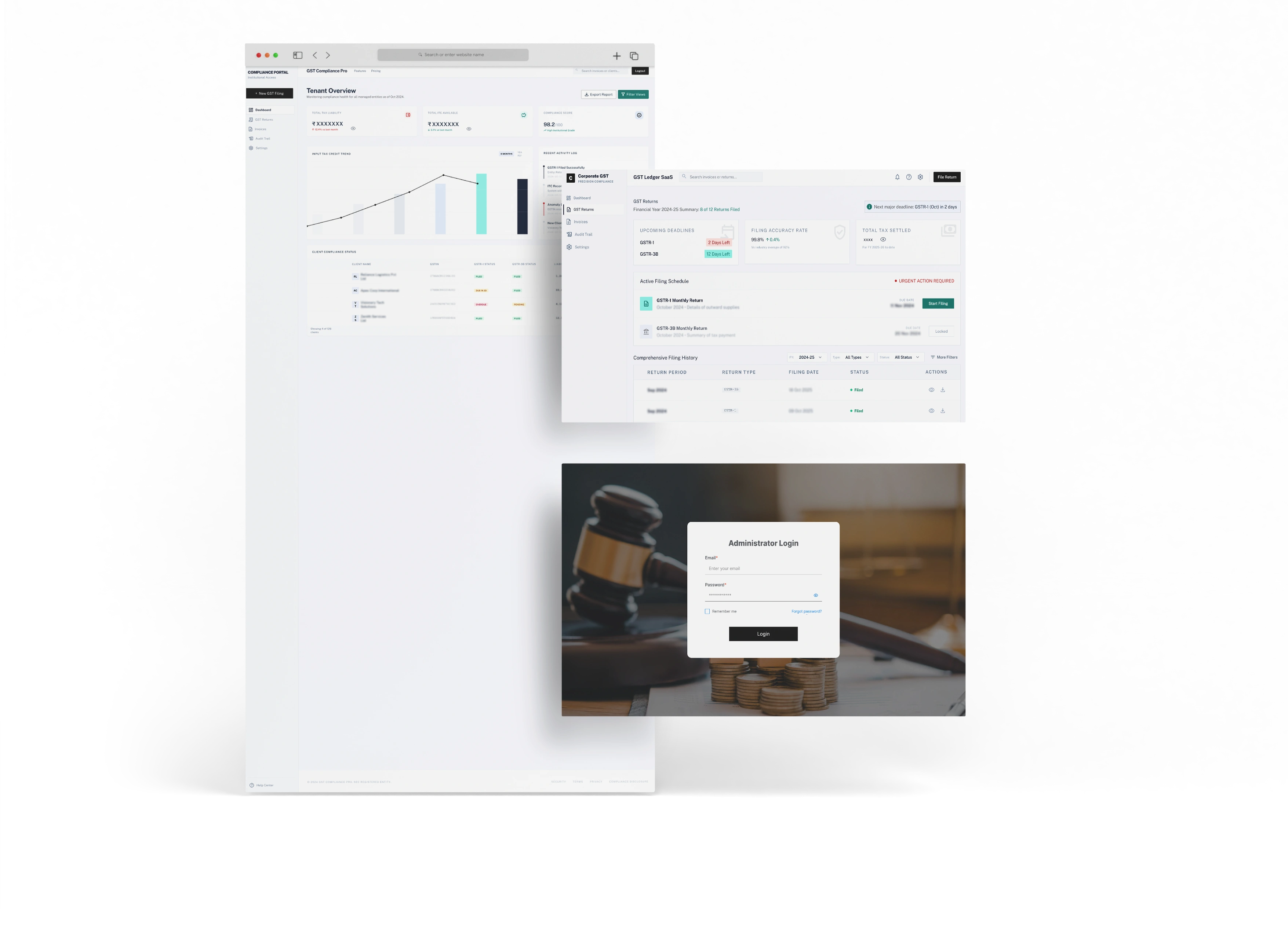
JS Panther built a web app to simplify GST filing and reconciliation at scale. Tax teams were working across multiple systems, with heavy reliance on manual checks to keep data aligned. That made the process slow and prone to errors, especially during peak filing periods. The platform brings filing, validation, and reporting into a single, structured workflow.
It reduces back-and-forth, improves data accuracy, and gives teams clearer visibility into each stage of the process. Teams can identify and resolve issues earlier. It also supports related compliance areas like Customs and Transfer Pricing, so operations don’t sit in silos. Everything is managed in one place. The overall process is more consistent and easier to control.



What were the Challenges?
The complexity wasn’t just in the data volume. It was in keeping everything aligned. Tax data had to stay consistent across systems, even during peak filing periods. Real-time reconciliation meant there was very little room for delay or mismatch. At the same time, the platform had to stay responsive as usage increased.
Key features and Technical Bits
- 01
Multi-tenant structure to support multiple clients
- 02
Real-time filing and reconciliation flows
- 03
Handles large datasets without a performance drop
- 04
Direct integration with GST systems for faster processing
- 05
Central control for monitoring, reporting, and compliance
How Did We Operate?
JS Panther’s team started by looking at how tax teams actually worked. This included where delays happened, where errors crept in, and what slowed things down. It shaped the structure of the platform. Workflows were kept clear and predictable. Data moves in a controlled way, so teams can track progress and catch issues early.
Integrations were built to keep everything in sync, rather than relying on manual checks. From a technical side, the system was designed to scale without becoming difficult to manage. It handles high usage during peak periods and continues to perform without disruption.
Results
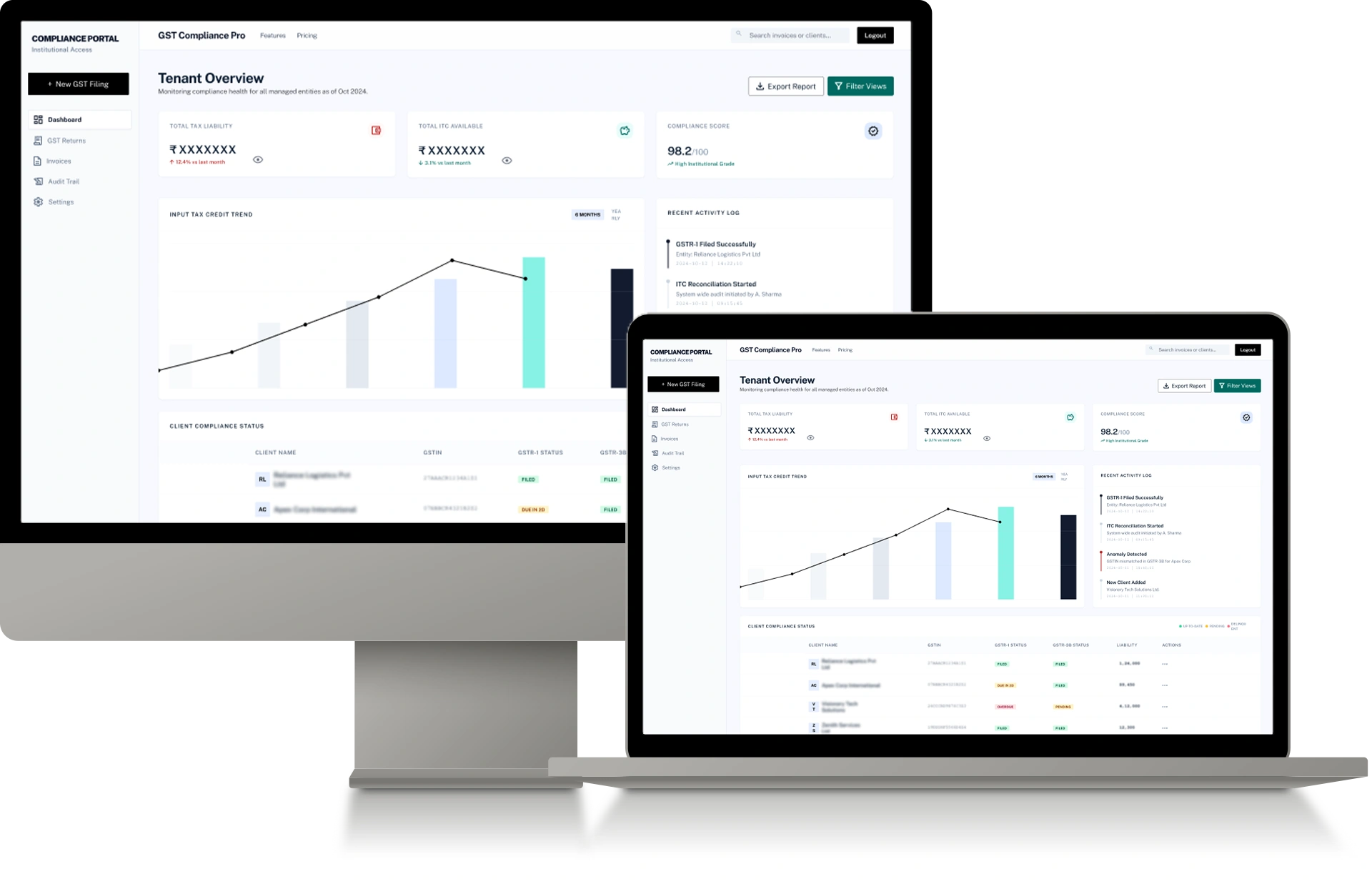
The platform brought more consistency to GST filing and reconciliation. Teams could process data faster, with fewer errors, and without relying on workarounds. It stayed stable during high-demand periods and made it easier to manage compliance across different areas. Over time, this reduced manual effort and improved overall reliability.
Got an idea, a problem, or a deadline? Start here.
Tell us about your startup or SaaS product. We will come back within one business day with an honest assessment and a clear path forward, no sales pitch attached, and no commitment required.
We'll be in touch.
Expect a reply within one business day.