

Custom-Built Smart Hospital Bed Management System
Clients Review
“The new system made bed allocation much easier for our staff. It reduced confusion during peak times and helped us manage patient flow more smoothly every day.”
Web app
Healthcare
-


Angular
-

TypeScript
-

REST API
-

Node.js
-

PostgreSQL
Overview
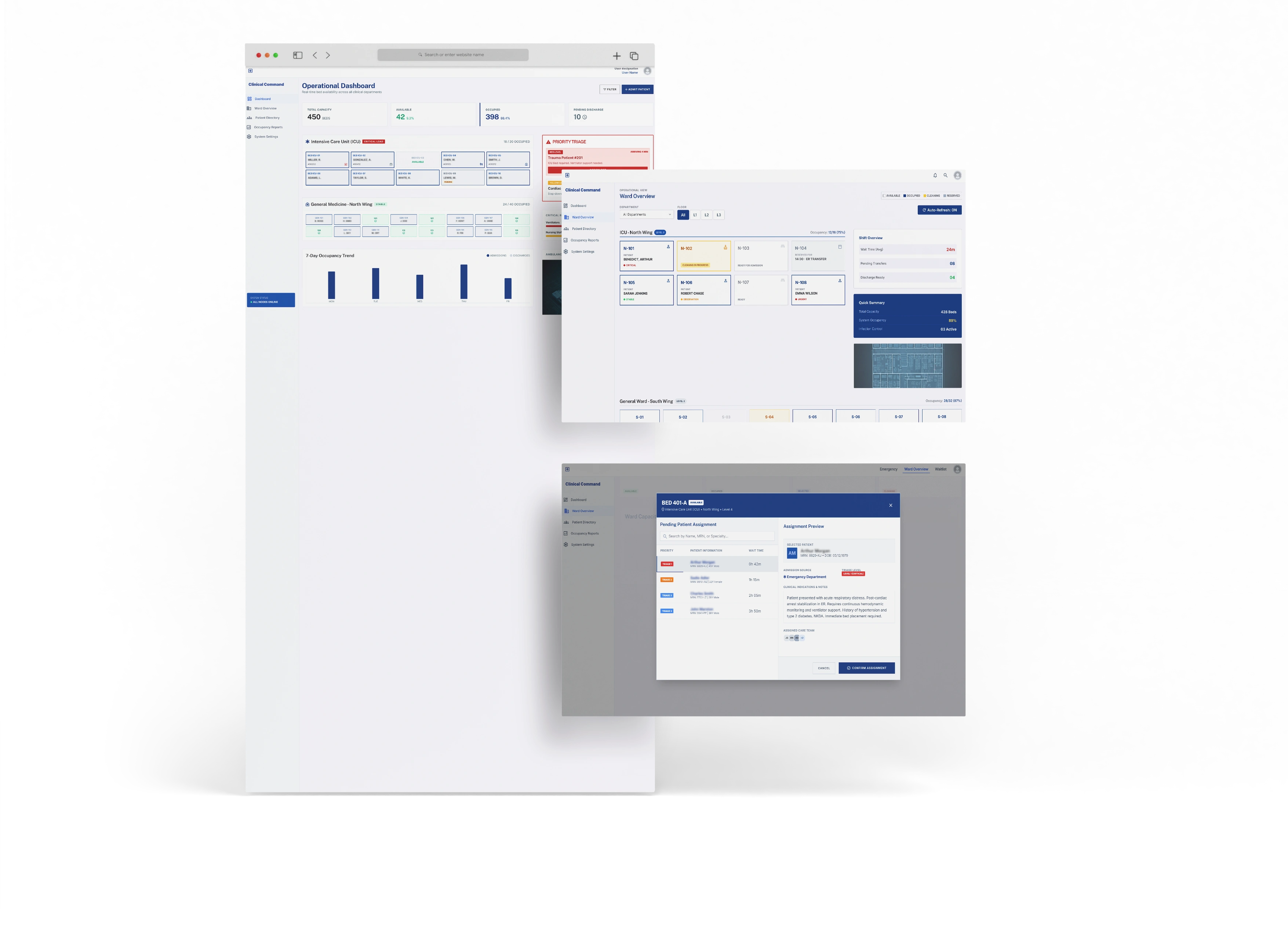
The client approached JS Panther with an existing but outdated hospital bed management system. Their system was failing to meet day-to-day operational needs. Bed allocation across wards was difficult to manage, especially during busy periods. Teams often relied on manual coordination or fragmented information. The system lacked clarity on real-time bed availability, which led to delays in patient movement and added pressure on staff.
Accessibility was also a concern, particularly for visually impaired users who found the interface difficult to navigate. The objective was to rebuild the application as a web-based platform that could simplify bed management and improve visibility across wards. The new web app needed to support staff with a more intuitive and accessible interface.



What were the Challenges?
The system needed to support secure, HIPAA-compliant data exchange using standards like FHIR. It had to handle multiple user roles without adding complexity. In addition, improving accessibility for visually impaired staff was important.
Key features and Technical Bits
- 01
Real-time Bed Availability Tracking
- 02
Role-Based Access Control
- 03
FHIR-Based Data Integration
- 04
Accessibility-Focused UI Design
- 05
Ward-Level Visual Bed Mapping
How Did We Operate?
We approached the project by first understanding how hospital staff manage bed allocation in real scenarios. This helped us design workflows that reflect actual day-to-day operations. Our focus was on simplifying tasks for different user roles.
Administrative teams could manage bed availability and allocations. Similarly, medical staff could access and update patient-related information without friction. The interface was designed to be intuitive, reducing the need for training.
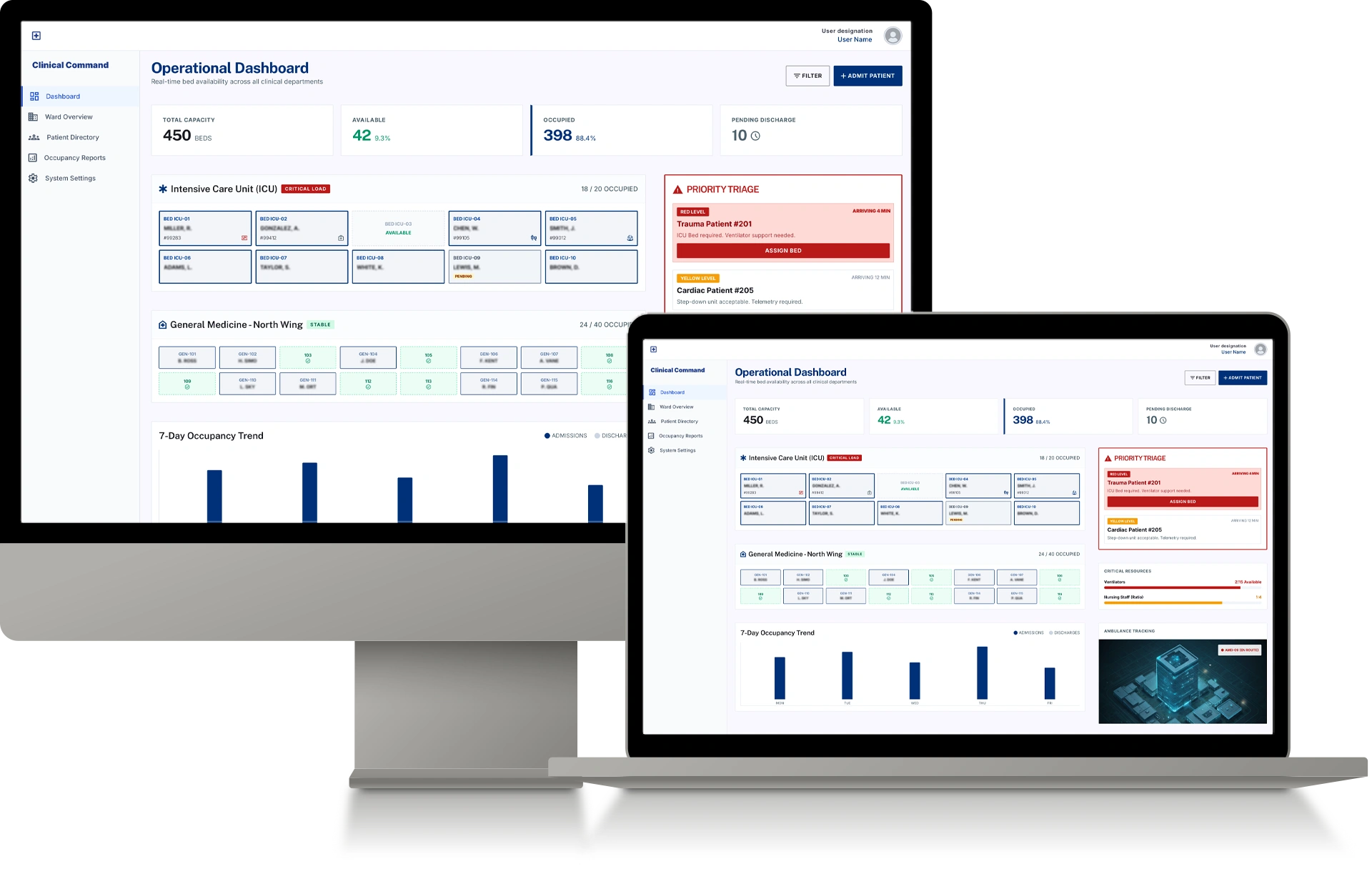
We built a responsive web application using Angular. The backend was structured to handle real-time updates and secure data exchange. We treated accessibility as a core requirement and ensured the system remains usable for all staff.
Results
The new system improved bed allocation with real-time visibility, helping staff make quicker decisions. It reduced manual effort and simplified daily tasks, even during peak hours. Accessibility improvements made the system easier for all staff to use, supporting smoother patient flow and more efficient hospital operations.
Got an idea, a problem, or a deadline? Start here.
Tell us about your startup or SaaS product. We will come back within one business day with an honest assessment and a clear path forward, no sales pitch attached, and no commitment required.
We'll be in touch.
Expect a reply within one business day.