

Enterprise Equipment Rental & Service Platform
The platform works exactly the way we needed. It’s easy for our team to manage listings, and customers can find and book equipment without confusion.
Web app
Construction & Events
-


Laravel
-

Vue.js
-
MySQL
-

Stripe
-

Git
Overview
JS Panther built an enterprise equipment rental and service platform to connect equipment providers with customers looking for reliable, short-term rentals. It brings together providers from the construction and event industries. This makes it easier for customers to find and book equipment based on location and availability. The focus was on building a scalable web application. So, it would work for both sides.
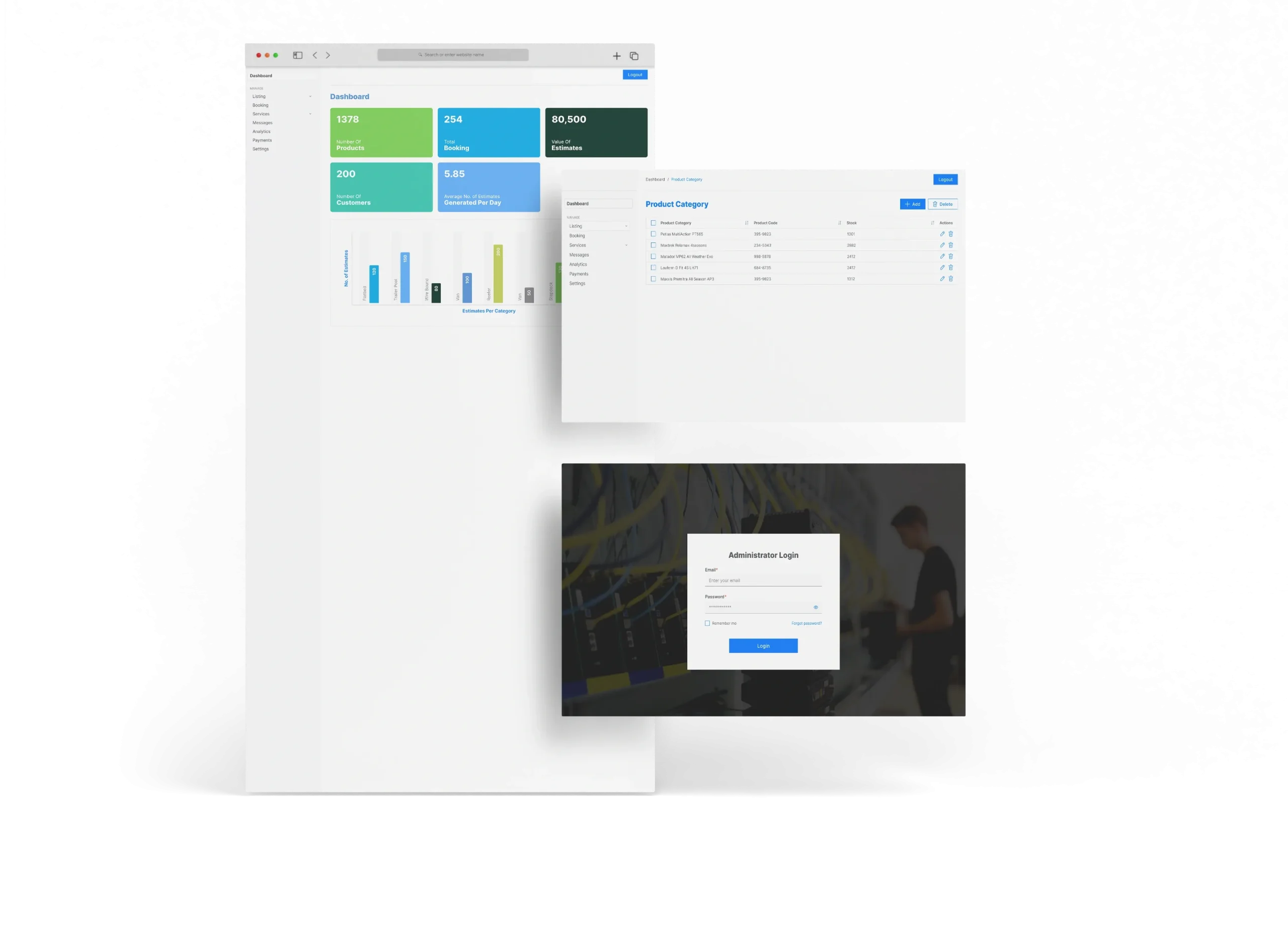
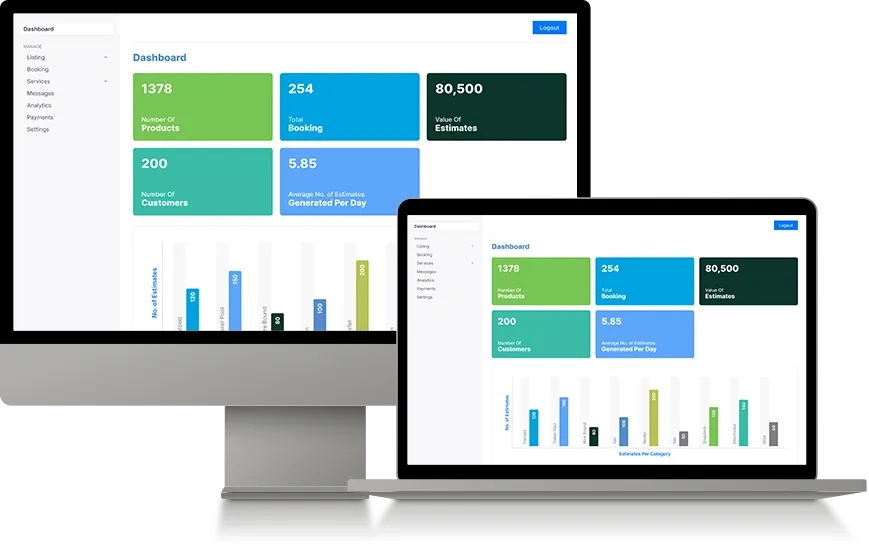
Providers can smoothly manage listings, pricing, and schedules. On the other hand, customers can search, compare options, and complete bookings with ease. The platform also includes service management, feedback systems, and administrative controls. It is supported by a centralized admin panel for moderation, reporting, and operational oversight. This helps keep the system transparent and consistent as it grows.



What were the Challenges?
The real challenge was seamlessly bringing two very different user groups into one system. Providers needed flexibility in how they manage listings, pricing, and availability. In contrast, customers needed quick, accurate results with minimal effort. Furthermore, managing real-time availability without booking conflicts, while keeping workflows consistent across the platform, required careful planning. The system also needed to scale reliably at an enterprise level.
Key features and Technical Bits of the project
- 01
Provider Dashboard & Listing Management
- 02
Advanced Search & Discovery
- 03
Booking & Service Workflow
- 04
API-Driven Modular Architecture
- 05
Admin Control & Feedback System
How Did We Operate?
We approached the client by first understanding how both providers and customers interact with equipment rental workflows. Based on this, we structured the platform to support clear, role-based experiences. Each user flow was designed to handle real-world actions like listing management, search, booking, and service tracking straightforwardly.
Providers can manage equipment listings and update prices. They can control availability through a dedicated dashboard. Similarly, customers can search for equipment using location-based filters. They can compare options and complete bookings through a structured process. We designed the booking lifecycle to reflect real-time status updates, ensuring transparency. We also integrated secure payment handling into the booking process.
We built the web app using a modular, API-driven approach. Our developers used Laravel to handle the backend logic and workflows. We used Vue.js to power a responsive and component-driven frontend. The development team followed an iterative approach. We ensured continuous testing across booking logic, edge cases, and performance. This keeps the system stable, scalable, and easy to extend with new features.
Results
We delivered a stable and scalable web application that streamlines providers’ and customers’ interactions. Providers can manage listings, pricing, and availability. Similarly, customers could quickly search, compare, and book equipment. Real-time booking workflows have reduced conflicts and improved reliability. The feedback and rating system also helped build trust and transparency. The system remained responsive under growing usage.
Got an idea, a problem, or a deadline? Start here.
Tell us about your startup or SaaS product. We will come back within one business day with an honest assessment and a clear path forward, no sales pitch attached, and no commitment required.
We'll be in touch.
Expect a reply within one business day.